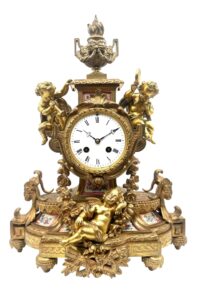
The Heartbeat of History: Why Antique Clock Servicing Matters
Antique clocks are more than just functional timekeepers. They are living pieces of history, engineering marvels, and cherished family heirlooms. Whether you own a stately grandfather clock, a delicate French carriage clock, or a classic mantle timepiece, these mechanical wonders require specialized care. They need regular maintenance to keep ticking for generations.
Unlike modern quartz timepieces powered by batteries, antique clocks rely on a complex network of interlocking gears, springs, and weights. Over time, friction and neglect can take a heavy toll on these intricate mechanisms. For owners of these beautiful treasures in Gloucestershire, local environmental factors like damp country cottages or historic Cotswold stone homes can also accelerate the need for professional care.
The Silent Enemies of Mechanical Clocks
To understand why professional clock servicing is vital, it helps to look inside a clock movement as it ages.
- Gummy Oil and Dust: Clock oil naturally degrades over time. It mixes with airborne dust particles to create an abrasive paste. Instead of lubricating, this mixture acts like sandpaper. It wears down the delicate pivots and brass plates.
- Friction and Wear: As gears spin against dry or contaminated pivots, they cut oblong holes into the brass plates. This misalignment causes the gears to bind. Eventually, it stops the clock entirely.
- The Over-Winding Myth: Clocks do not actually break from “over-winding.” What people call an over-wound clock is usually just a mechanism so choked with old grease and dirt that the mainspring no longer has the power to turn the gears.
What Happens During a Professional Clock Service?
A proper horological service is a meticulous process. It requires patience, specialized tools, and years of expertise. A standard overhaul typically involves:
- Complete Dismantling: The horologist completely removes the movement from its case. They take apart every single wheel, gear, arbor, and spring.
- Ultrasonic Cleaning: Individual parts are placed into specialized cleaning solutions within an ultrasonic tank. This safely strips away decades of hardened grease, tarnish, and dirt.
- Inspection and Repair: Every pivot is inspected for straightness and wear. If the pivot holes in the brass plates have become oval, the horologist drills them out. They then install custom-fit bronze bushings to restore perfect center alignment.
- Reassembly and Strategic Lubrication: The movement is carefully put back together. Micro-drops of specialized, synthetic clock oils are applied strictly to the friction points.
- Testing and Regulation: Once reassembled, the clock is placed on a test stand for a week or more. The horologist observes its timekeeping accuracy and adjusts the pendulum or balance wheel accordingly.
How Often Should a Clock Be Serviced?
As a general rule of thumb, an antique clock should be professionally oiled and inspected every 3 to 5 years. It should receive a complete overhaul (dismantling and cleaning) every 7 to 10 years.
Waiting until the clock stops completely before seeking maintenance often results in much costlier repairs. Severely worn parts may need to be entirely remanufactured.
Tips for Everyday Care
While major internal work should always be left to a professional, you can preserve your clock’s lifespan with proper environment management:
- Keep It Level: A clock out of beat (uneven ticking) will quickly stall. Ensure your clock sits perfectly level on the floor, shelf, or wall.
- Avoid Extreme Temperatures: Do not place your clock directly above a radiator, near an open fireplace, or in direct sunlight. Drastic temperature shifts expand and contract the metal. This destroys lubrication and warps wooden cases.
- Use Proper Winding Technique: Wind your clock firmly but smoothly. Stop immediately when you feel strong resistance.
By investing in regular maintenance, you aren’t just fixing a machine. You are preserving a beautifully crafted piece of human ingenuity so it can continue to pass down the time to future generations.
Expert Antique Clock Repair in Gloucestershire
If your heirloom clock has stopped ticking, loses time, or is overdue for its regular service, Vintage Clocks is here to help. Run by James, a fully qualified horologist and proud member of the British Horological Institute and the British Watch and Clock Makers Guild, we bring over 22 years of expert experience to every repair.
From our Cotswold workshop and our beautiful High Street showroom, we provide meticulous restoration and repair services for clients across Gloucestershire. We treat every piece with the absolute care it deserves, whether it is an English longcase grandfather clock, a fine Vienna wall clock, or a delicate French carriage clock.
- Visit the Shop: 4, Bath Road, Stonehouse, GL102JA
- Call Us: 01452 345334
- Explore Online: www.vintageclocks.uk